
Transforming Assessment for Student Development program recommends the development of Holistic Progress Cards (HPC) which combine detailed evaluations covering all aspects of student development across cognitive, affective, socio-emotional, and psychomotor domains.
In contrast with the traditional ways of grading based primarily on intellectual scores, the HPC focuses on a wide perspective of student development. It bridges the divide between the home environment and the school environment.
| Feature | Traditional Report Card | Holistic Progress Card (HPC) |
|---|---|---|
Assessment Type |
Marks-based (numerical scores) | 360-degree evaluation (skills, values, and competencies) |
Focus |
Academic performance in subjects | Overall development, including cognitive, emotional, and social skills |
Evaluation Method |
Exams and standardized tests | Multiple assessment methods (projects, peer reviews, self-assessment, teacher feedback) |
Feedback Source |
Teacher-only evaluation | Teacher, peer, and self-assessment |
Learning Approach |
Rote learning and memorization | Conceptual understanding, application, and experiential learning |
Areas Covered |
Only academic subjects | Academics + life skills, arts, sports, and socio-emotional growth |
Stress Level |
High, as it focuses on marks and ranking | Lower, as it emphasizes growth and learning progress |
Use of Technology |
Mostly manual record-keeping | Digital and AI-driven tracking for better insights |
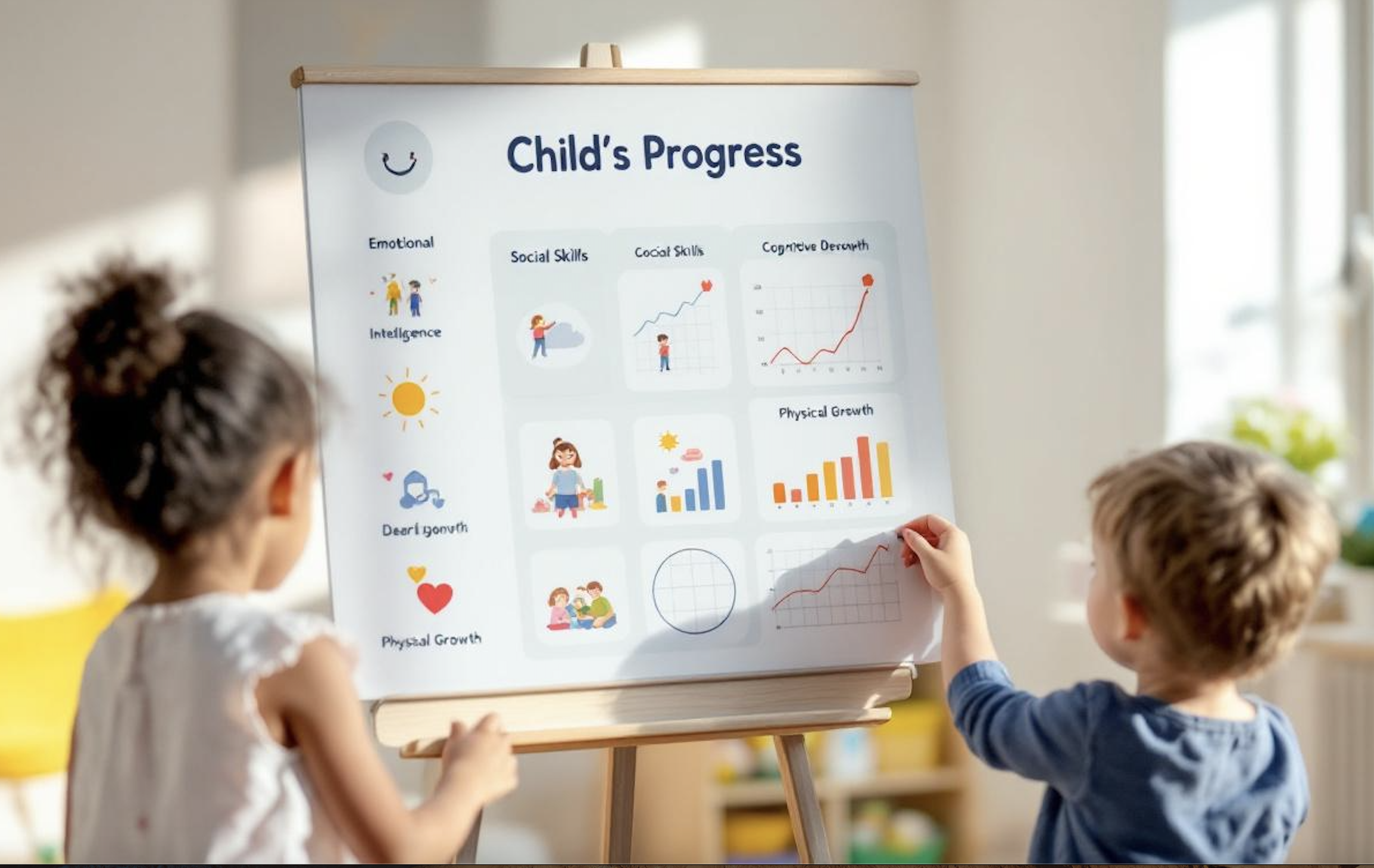
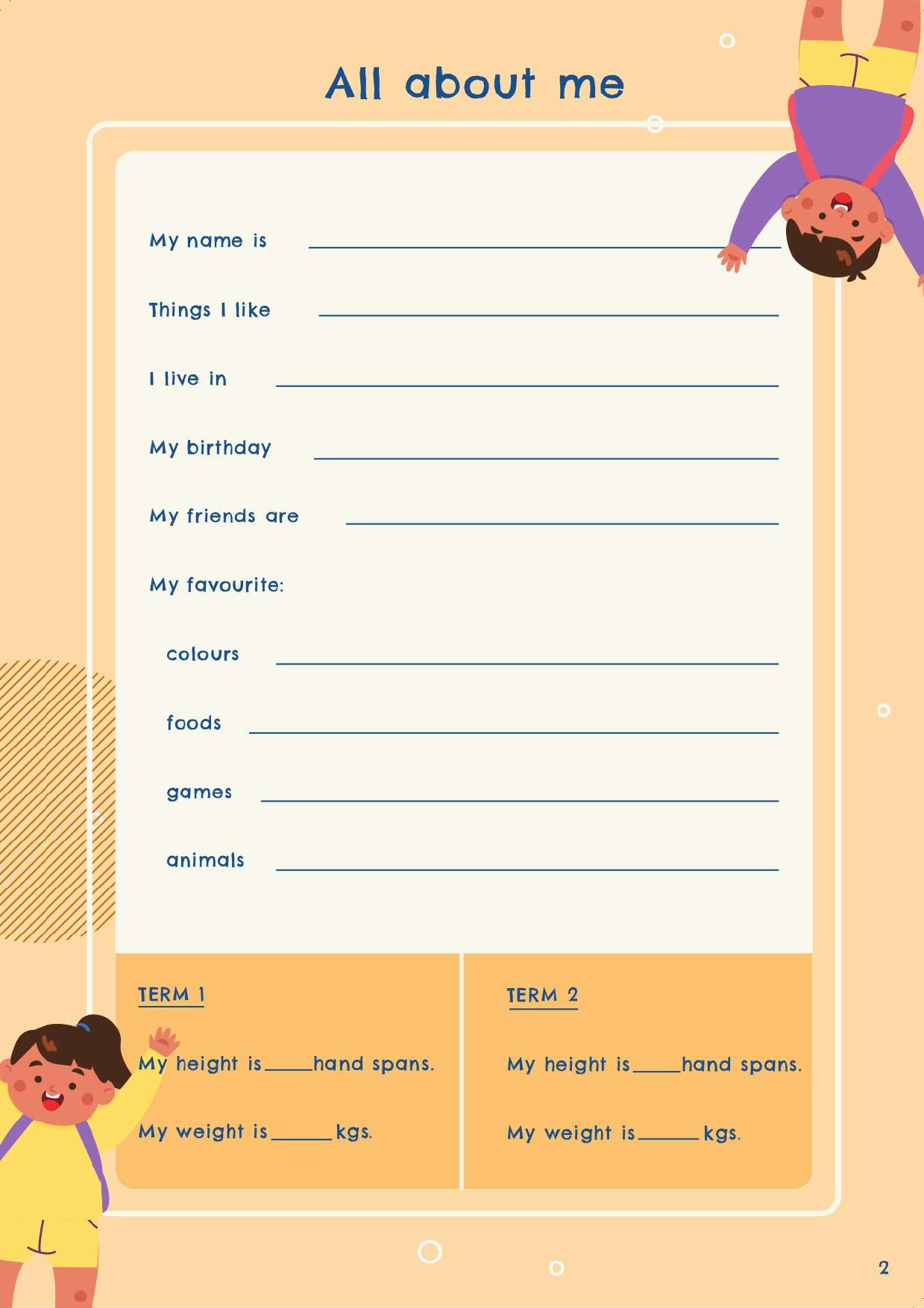

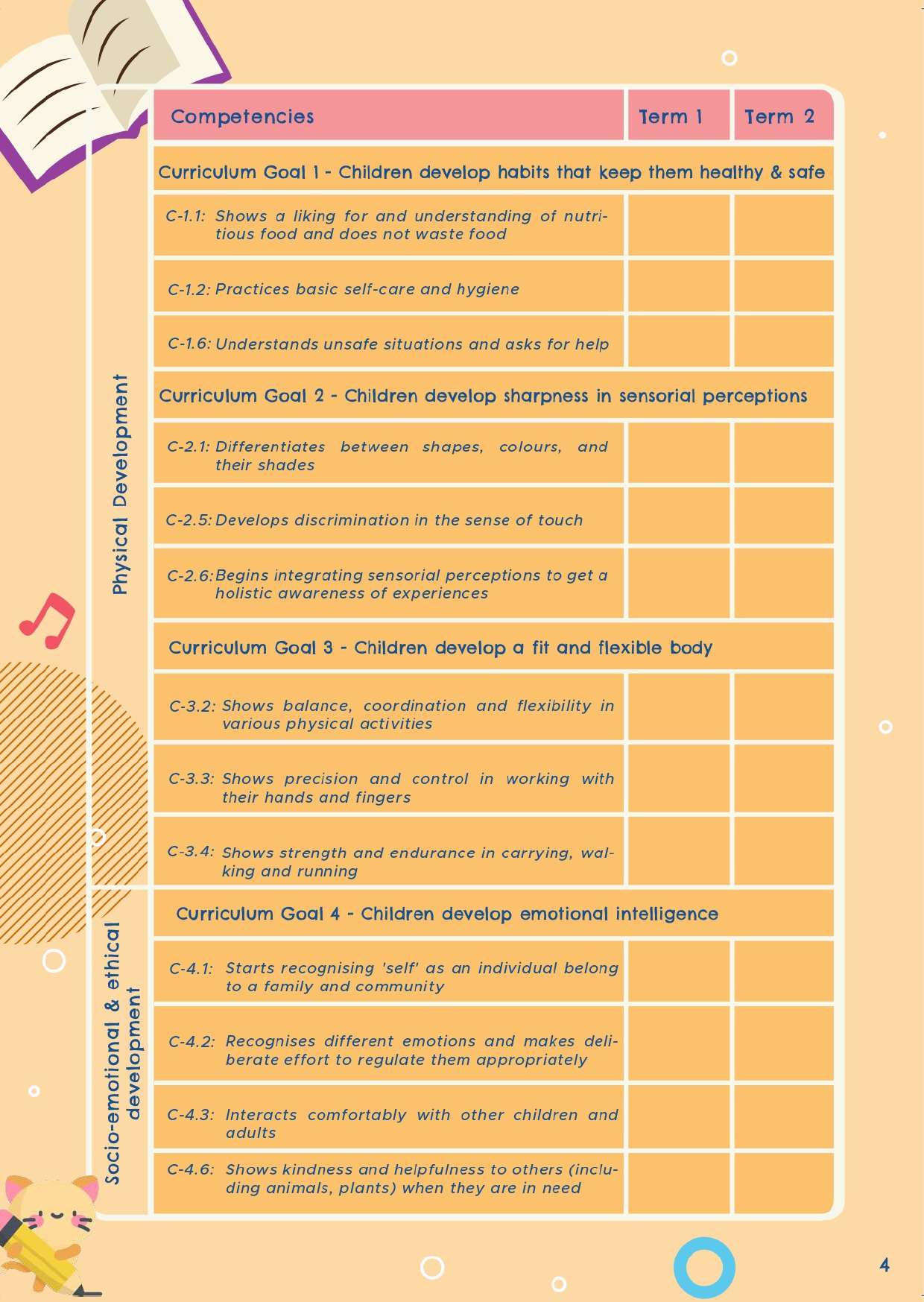
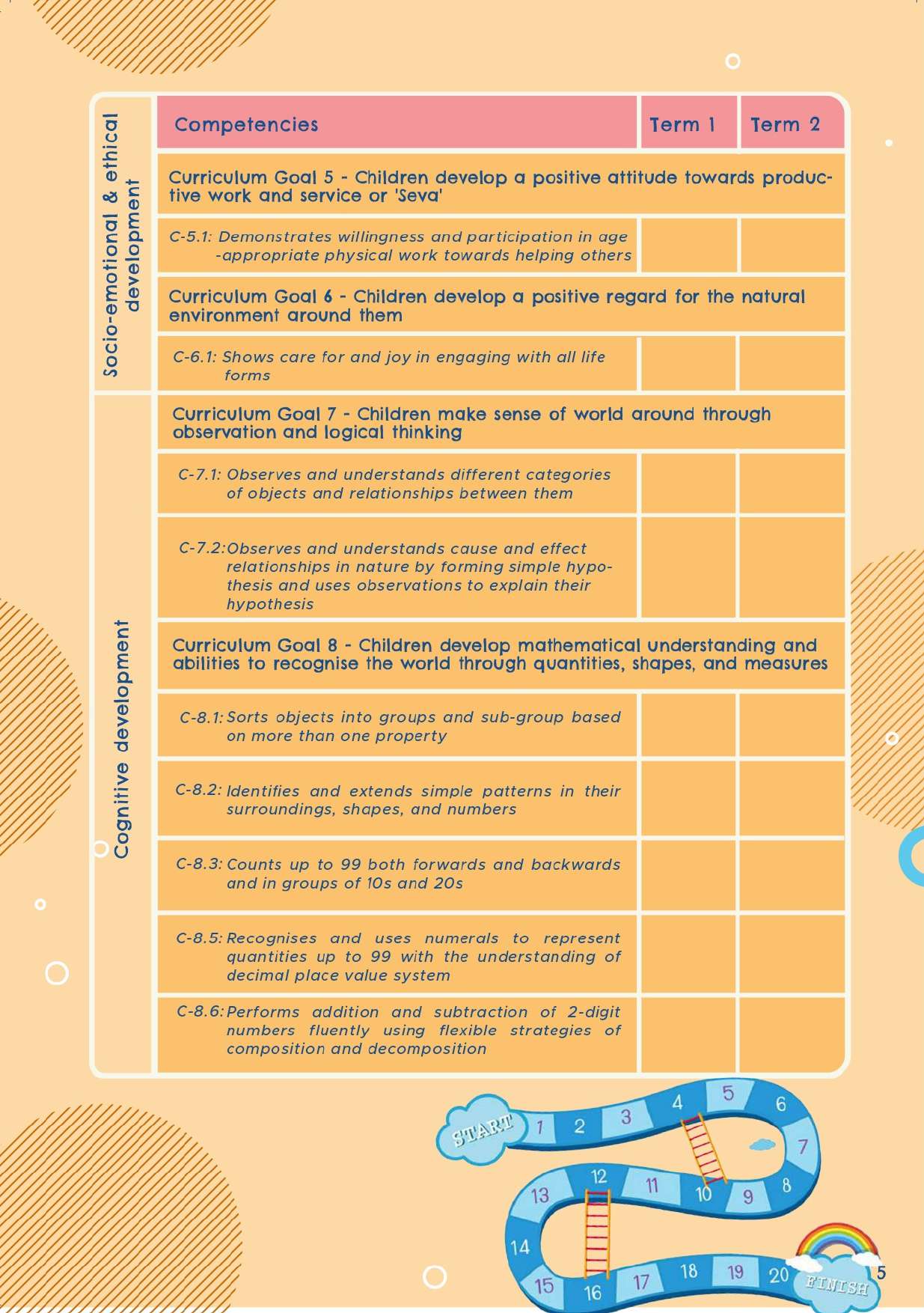
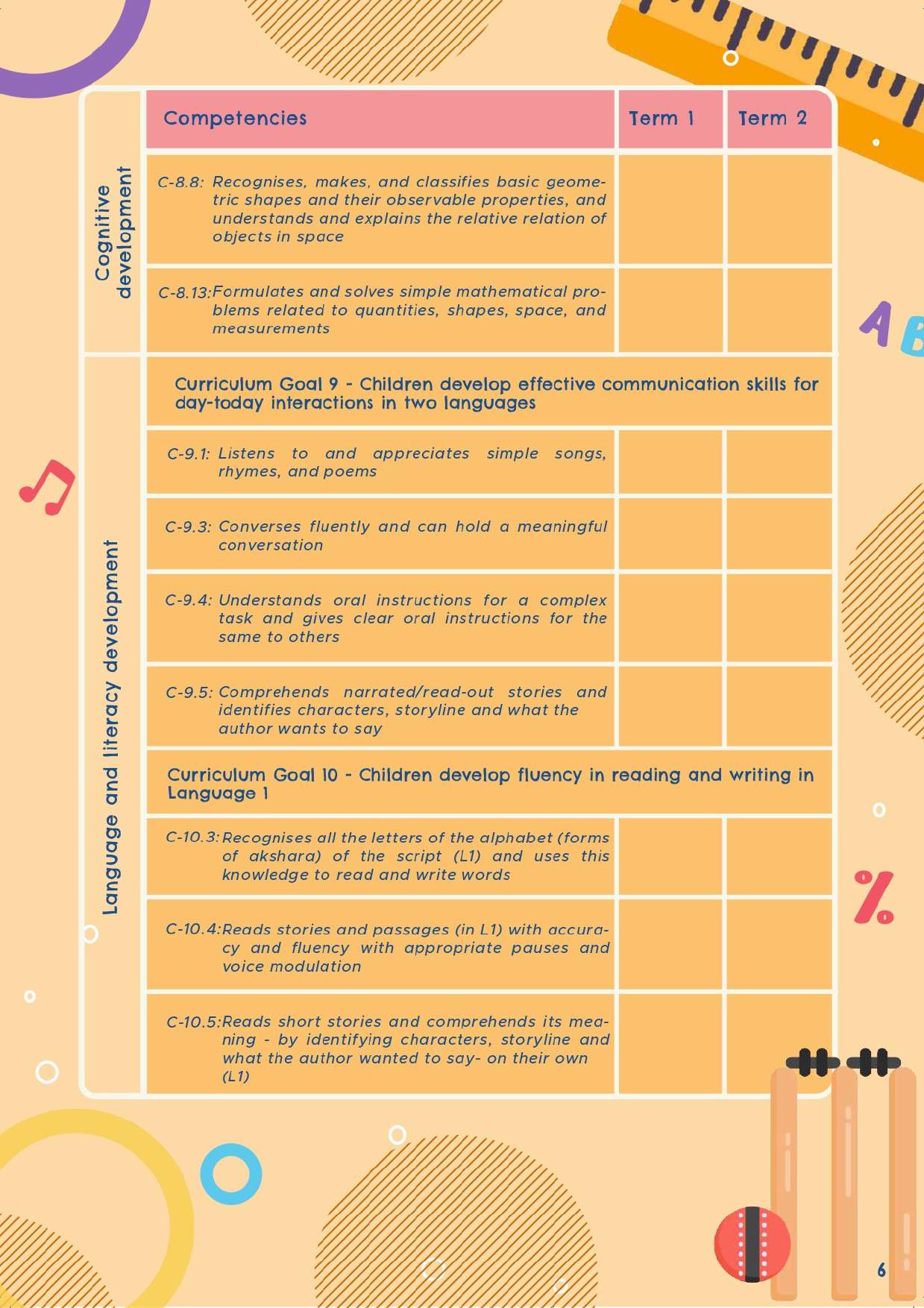
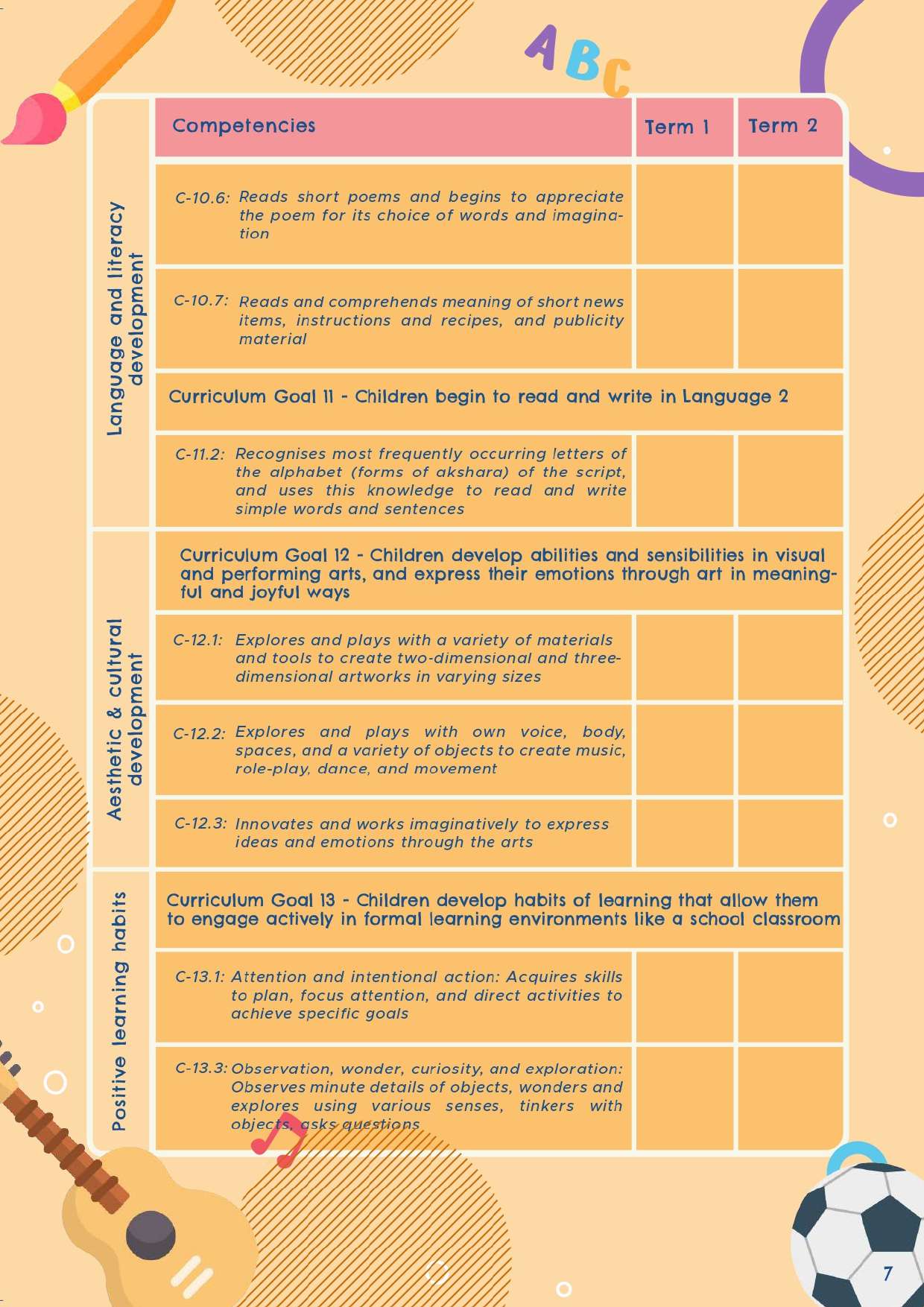
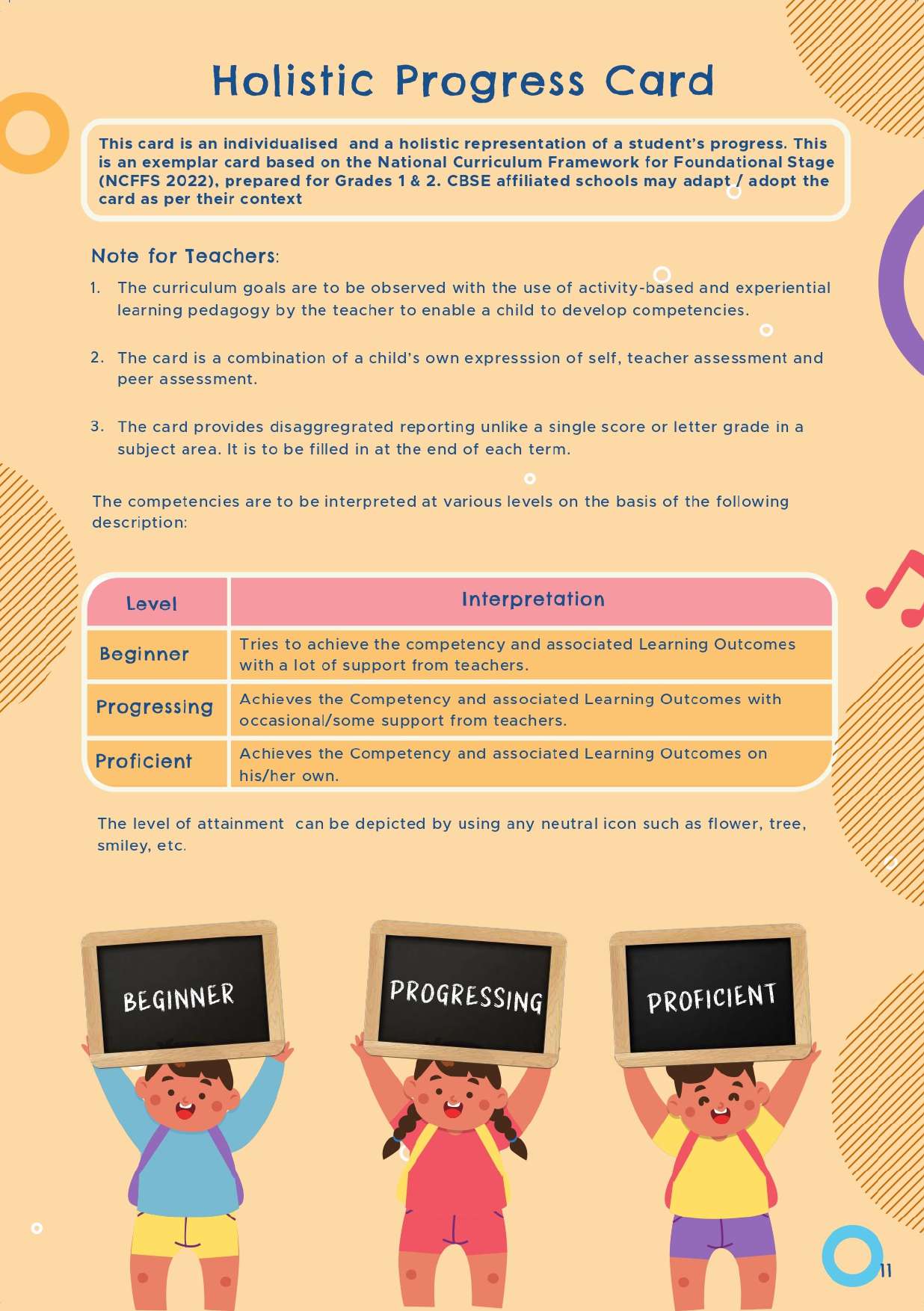

It is a student evaluation report aligned with NEP 2020 that covers not just academics but also skills, co-curricular areas, social-emotional growth, behaviour, and values.
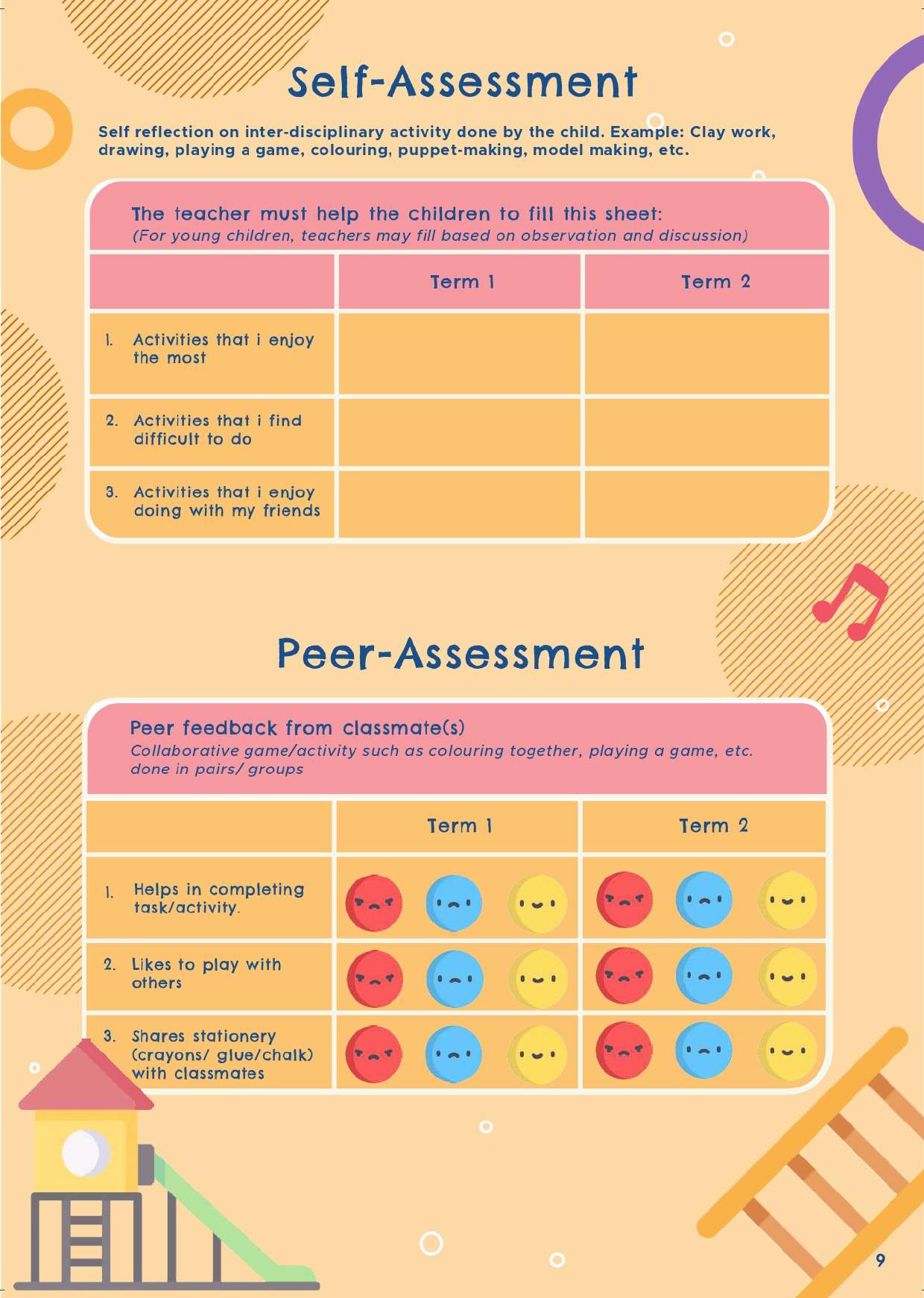
Traditional report cards focus mainly on subject scores, tests, and marks, while the HPC includes broader assessment types such as peer reviews, self-assessment, teacher feedback, and performance in non-academic areas.
The assessment covers academics, life skills, arts, sports, socio-emotional and behavioural growth, values, competencies, and general participation, along with regular academic work.
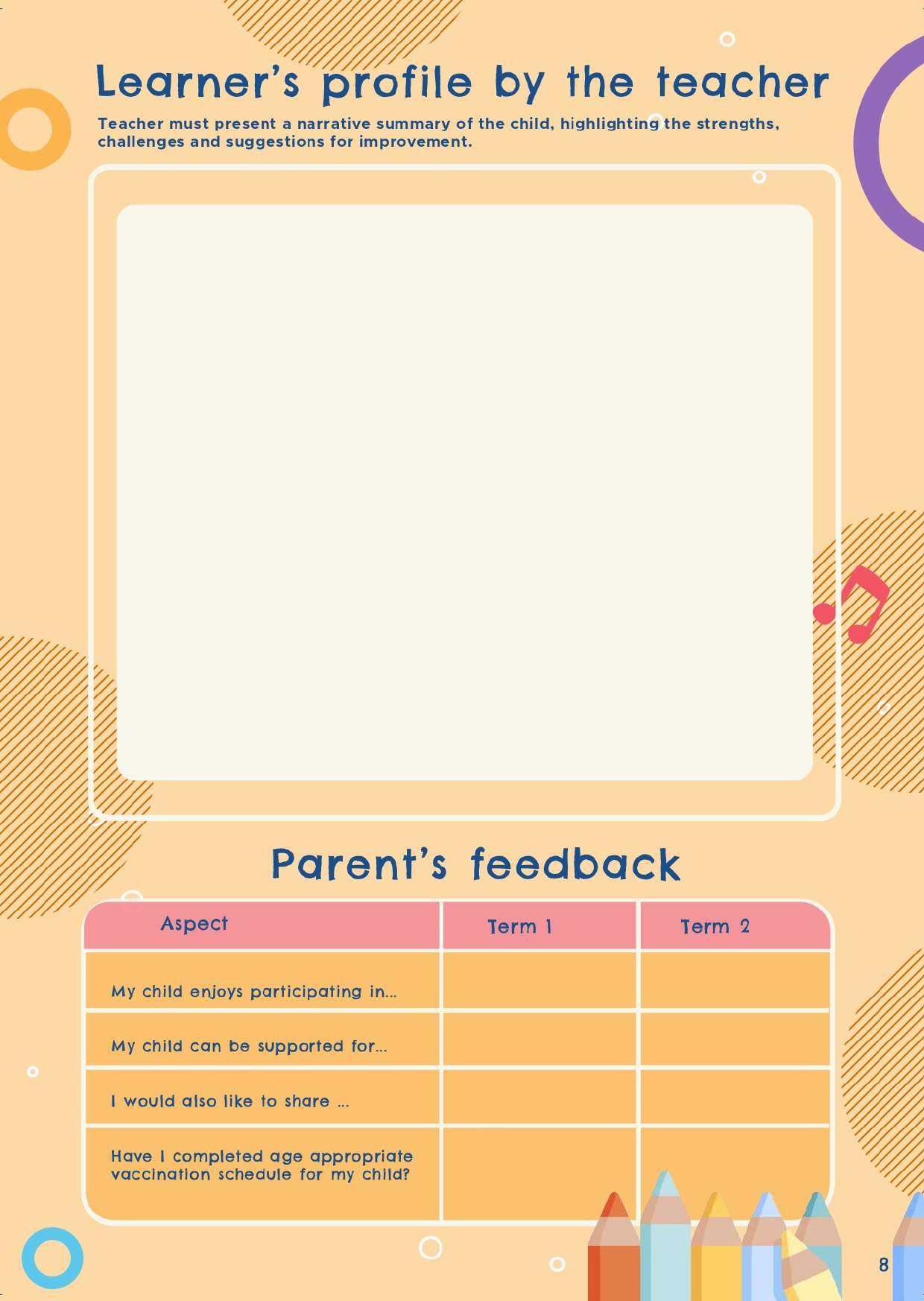
Feedback comes from multiple sources: teachers, peers, and students themselves. This helps build a 360-degree view of the student’s growth beyond just exam results.
Yes. The system offers personalized insights depending on each student’s performance in academics as well as co-curricular and emotional/behavioural domains.
Technology helps in automating data collection, tracking attendance, participation, skills, and behaviour, and generating analytical reports. AI-driven tracking gives better visibility of progress over time.
It encourages greater engagement by giving parents visibility into their child’s overall growth — not just grades — including feedback, co-curricular performance, behaviour, and other skills.

